Communications & Media
#gracepresbytery

Coordinator of Communications and Media
Emily Adams
YOU SHOULD BE HERE IF...
YOU HAVE
NEWS OR EVENTS TO SHARE
YOU NEED ADVICE
REGARDING SOCIAL MEDIA
YOU ARE SEEKING
COMMUNICATIONS RESOURCES
YOUR CHURCH WANTS
A WEBSITE AUDIT AND ADVICE
YOU NEED IDEAS FOR
BRANDING AND PROMOTION




WEBSITE AND ONLINE PRESENCE

THE IMPORTANCE OF ONLINE PRESENCE
A website provides a central space for people to learn about you, your church, and the community you’ve built. Showcasing what makes your church unique can inspire visitors to attend a service and become part of your growing congregation. Today, most people will explore your church online long before they consider visiting in person. That means having a digital presence isn’t optional; it’s essential for visibility in your community. If your church has no online presence, start with a social media account then work towards building a simple, welcoming website that reflects your mission.
Church websites serve as a digital front door for congregations, offering information about services, events, beliefs, and ministries. They provide an accessible way for members and visitors to stay connected, stream sermons, and give online. A well-designed church website reflects the church’s mission and community, making it easier for newcomers to learn more and get involved.

SOCIAL MEDIA CHANNELS AND TOOLS

Social media helps churches connect with their congregation and reach new people far beyond their physical location. It provides an easy, effective way to share real-time updates, post sermons, promote events, and offer encouragement throughout the week—not just on Sundays. By actively using platforms like Facebook, Instagram, and YouTube, churches can build stronger community connections, foster meaningful engagement, and keep people informed and inspired. A consistent social media presence also makes your church more visible and accessible, especially to younger generations and those exploring faith for the first time in today’s digital-driven world.
Facebook, Instagram, and video platforms each serve churches in different ways. Facebook is ideal for community building and event sharing, while Instagram highlights church life through photos and short videos. Platforms like YouTube or Vimeo help share sermons and creative content with a wider audience. Using each strategically helps churches connect and grow online.

BRANDING, VOICE, AND STYLE

Branding is important for your church to engage your congregation and help identify you in the sea of options to prospective members. When considering your logo and branding choices, do some research. Look up the two churches geographically closest to you and the two that are the most theologically aligned with you in the area, and make sure your colors and logo stand out among them. The first time someone probably will be exposed to you is online and you want to ensure that you are memorable standing alongside the churches you are being compared to.
A style guide is an essential resource for churches that want to communicate clearly and consistently across all ministries. It provides guidance on language, tone, and formatting, helping teams align their messages with the church’s mission and values. This consistency not only builds trust but also strengthens relationships within the congregation and with the broader community. When creating materials like ministry proposals, bulletins, newsletters, or event promotions, a style guide helps ensure clarity and unity, especially when multiple people are involved. It keeps communications rooted in the church’s heart and vision, supporting a more polished and Christ-centered message across every platform. A style guide also saves time, reduces confusion, and empowers teams to communicate with confidence and purpose. As your church grows, the style guide can become a steady foundation to help preserve the spirit of your message.

ENEWS AND BULLETIN DESIGN

A good church newsletter can really take your communication to the next level. It’s a simple but powerful way to keep your congregation in the loop and make sure no one misses out on what’s happening. Whether you’re sharing upcoming events, highlighting volunteer opportunities, celebrating answered prayers, or offering a quick word of encouragement, a well-put-together newsletter helps people feel informed and involved. It creates a steady rhythm of connection throughout the week, not just on Sundays.
Beyond just giving out info, a newsletter can reflect the heart and personality of your church. You can include personal notes from the pastor, member spotlights, scripture reflections, or stories of what God is doing in your community. It’s also a great tool for welcoming new folks who are curious about your church—they get a glimpse into who you are and what you value. Over time, your newsletter becomes more than a bulletin board—it becomes a trusted voice, helping build relationships, encouraging spiritual growth, and keep your community growing stronger together.
Refreshing your church bulletin design is a simple way to make a big impact. When your bulletin looks clean, modern, and easy to read, people are more likely to actually pay attention to what’s inside. A fresh design helps highlight important info, like events, announcements, and ways to get involved, without overwhelming the reader. It also shows that your church cares about the details and is willing to adapt and grow. Even small changes, like updated fonts or better spacing, can make your bulletin feel more inviting and reflect the life and energy of your church community. Over time, these updates can help strengthen communication and increase engagement across your congregation.

AI LITERACY AND INTEGRITY

Artificial Intelligence, or AI, is technology that helps computers do tasks that usually need human thinking, like learning, solving problems, or understanding language. It can spot patterns, handle repetitive jobs, and offer helpful insights by using large amounts of data.
For churches, AI can be a helpful tool to support ministry and connect with people. Using AI wisely lets churches focus more on serving people while reaching more hearts through modern tools.
For churches to maintain integrity while using AI, it's important to follow clear, ethical guidelines that align with your values. Here are some practical principles:
-
Put People First – AI should support relationships, not replace them. Use it to enhance human connection, not avoid it.
-
Be Transparent – Let members know when AI is being used (like chatbots or automated messages) so they understand what’s happening behind the scenes.
-
Respect Privacy – Protect personal data like prayer requests, contact info, or giving history. Use secure systems and limit data access to trusted staff or volunteers.
-
Stay Mission-Focused – Use AI tools that align with the church’s mission and values. Avoid using tech that promotes manipulation, division, or distraction.
-
Avoid Over-Reliance – Technology is a tool, not a replacement for spiritual leadership, discernment, or human care. Keep pastoral roles rooted in prayer, presence, and community.
-
Review Regularly – Continually evaluate how AI is being used. Ask: Is this helping us serve better? Is it honoring God and people?
By using AI with wisdom, accountability, and love, churches can stay faithful while embracing helpful new tools.

OTHER RESOURCES



COLOSSIANS 4:6
Let your conversation be always full of grace, seasoned with salt, so that you may know how to answer everyone.
"We are here to listen for ways we are being asked to grow, to act, to serve."
from Between the Listening and the Telling by Mark Yaconelli
"In times of stress, the best thing we can do for each other is to listen with our ears and our hearts and to be assured that our questions are just as important as our answers.."
from The World According to Mister Rogers: Important Things to Remember, Quote by Fred Rogers
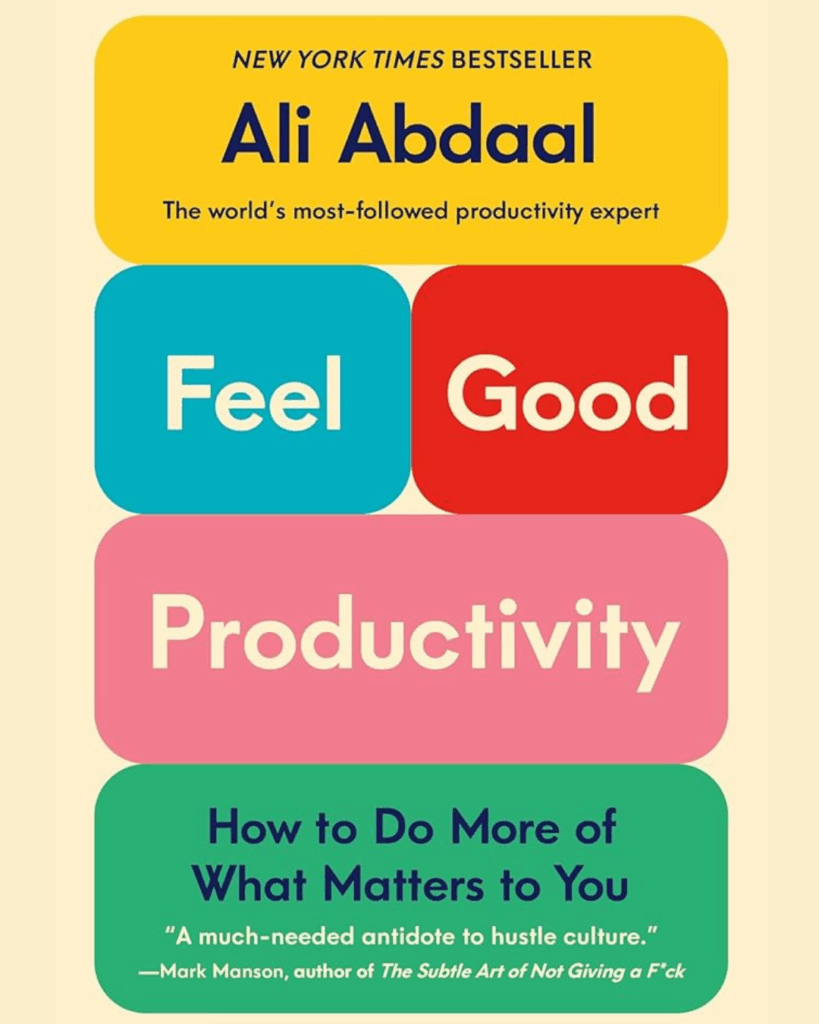
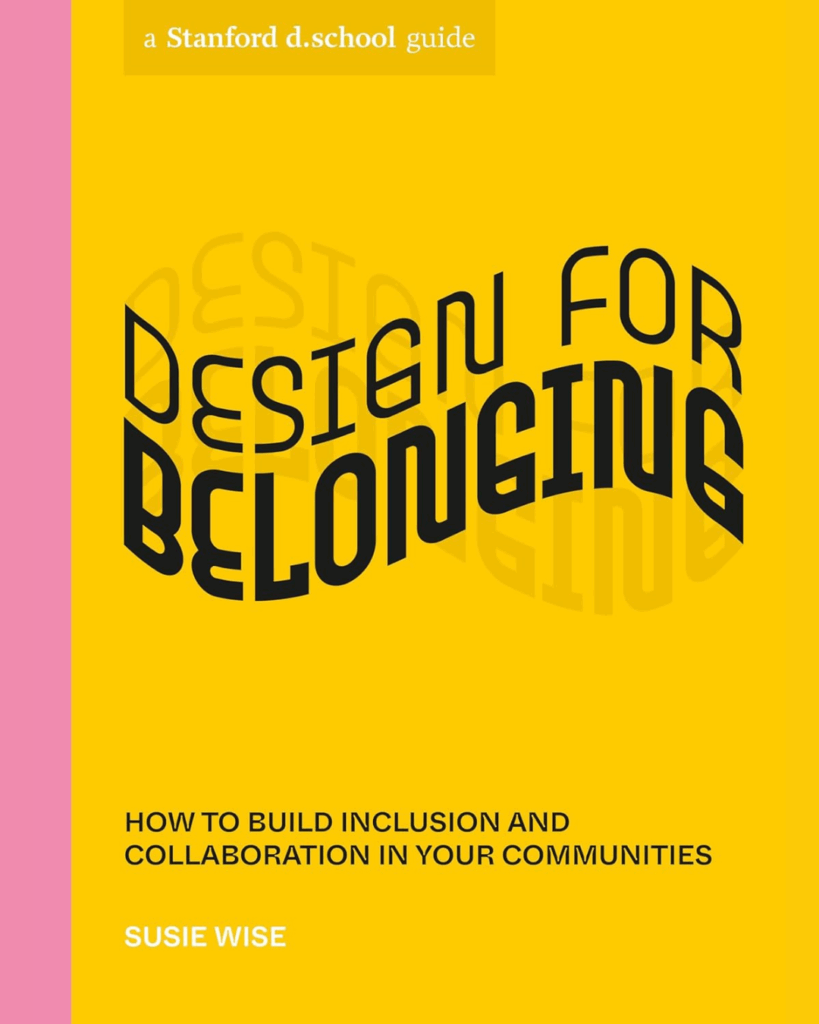
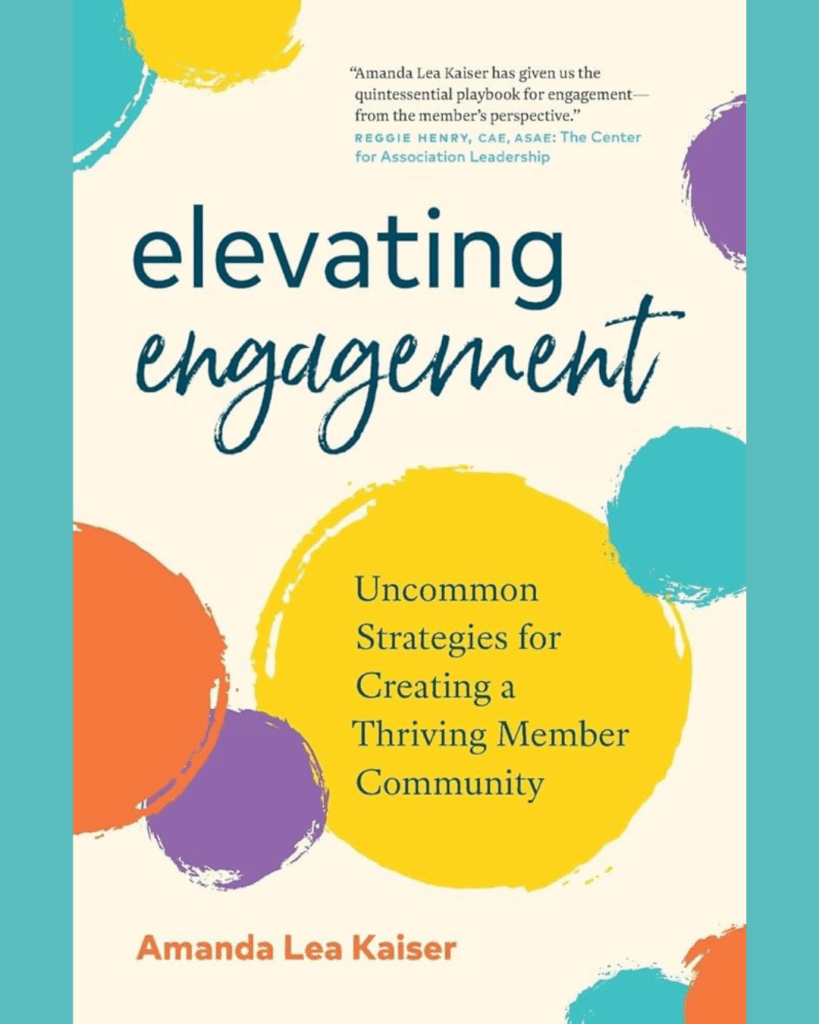
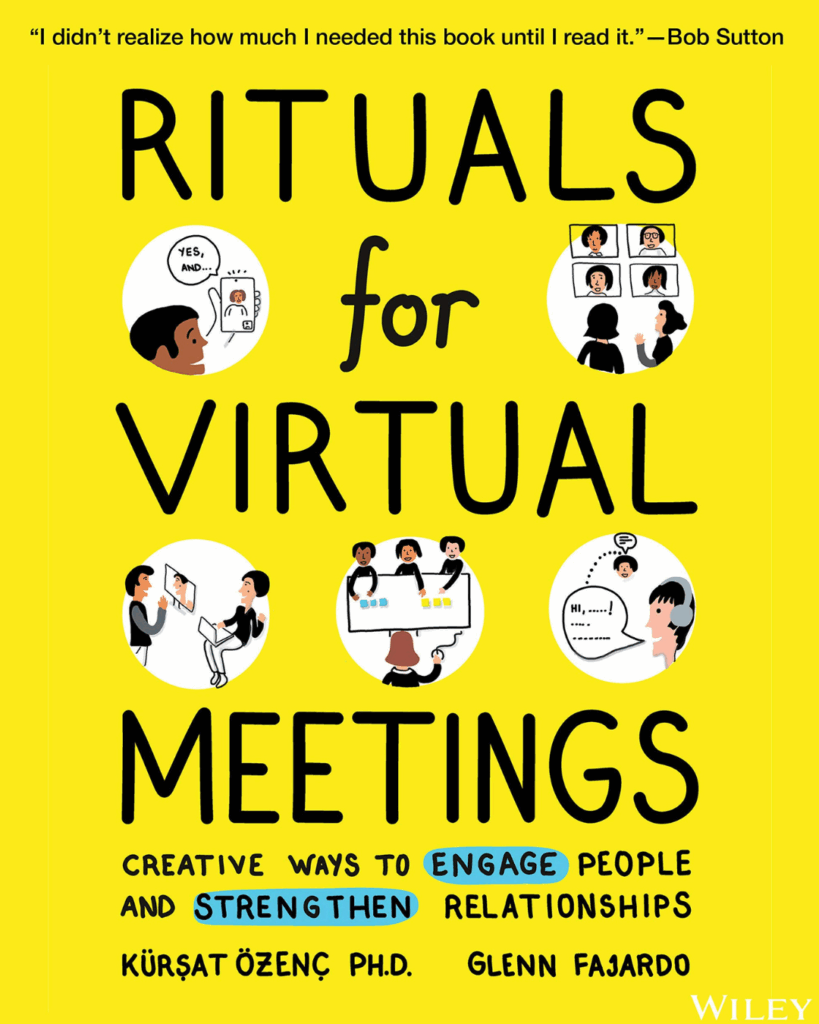
EMILY'S READING LIST